As we step into 2026, fleet management is evolving fast — driven by data, sustainability, and key skill development through empowerment.
Key shifts to watch in the coming year:
Telematics at scale: Real‑time insights into driver behavior, fuel use, and route optimization are now standard.
Green fleets: Electric and hybrid adoption is accelerating, with charging hubs expanding in major metros.
AI predictive maintenance: Smart systems are cutting downtime and boosting productivity.
Compliance & safety: Stricter regulations mean smarter tools and stronger driver training.
Last‑mile logistics: E‑commerce growth is reshaping fleet needs with agile, tech‑enabled delivery solutions.
The big picture: Fleet management in 2026 isn’t just about vehicles — it’s about building smarter, greener, sponsor‑driven ecosystems that empower transport operators, fleet managers, technicians and communities alike.
Fleets that embrace these trends will cut costs, boost ROI, and empower communities.
At XIOT Holdings, we believe 2026 is the year South African fleets transform into ROI engines.”
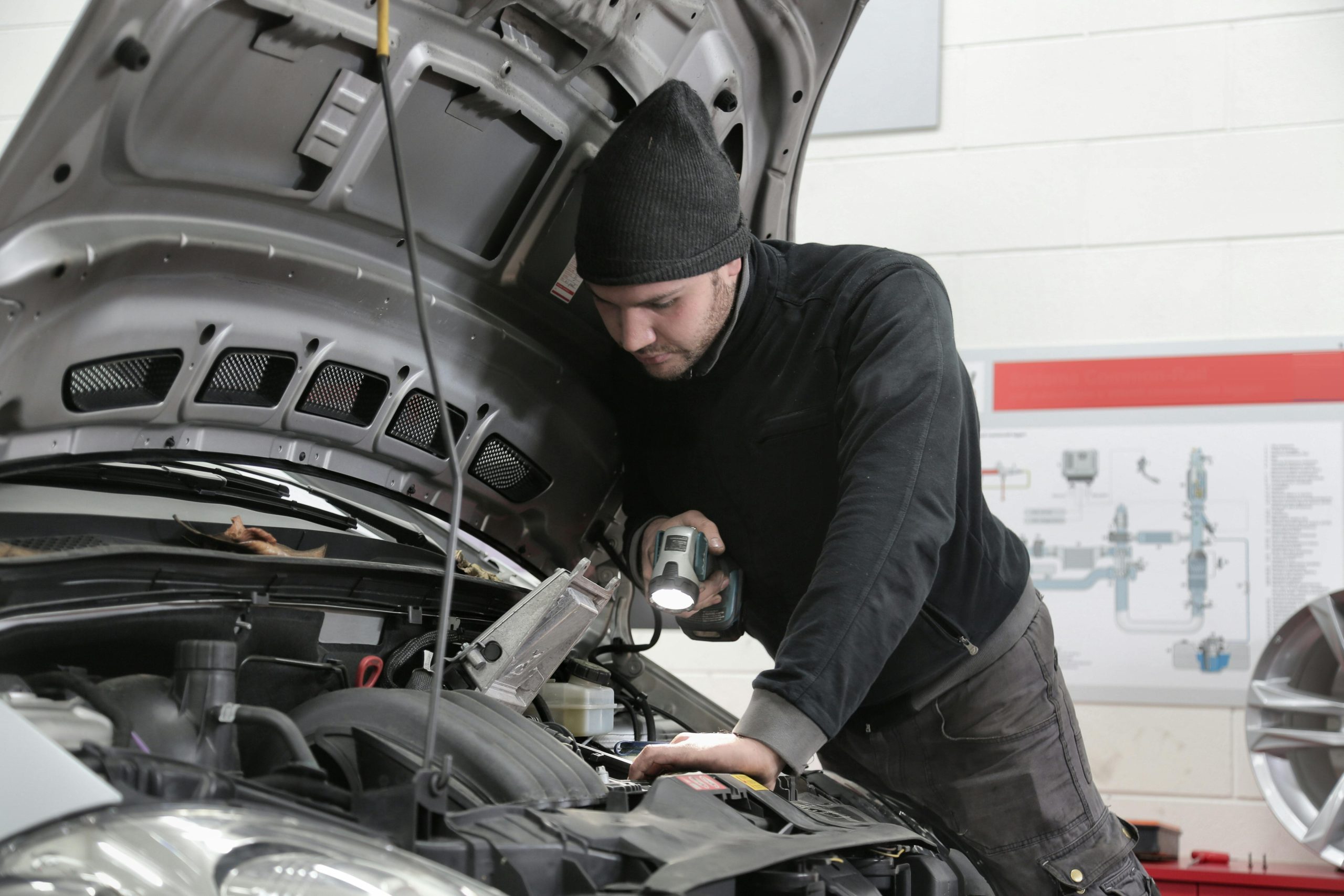
Telematics is transforming fleet management in South Africa — but technology alone isn’t enough. The real success lies in skilled technicians who can integrate, calibrate, and maintain these systems inside vehicles.
Safely installed retrofit automotive wiring is critical so as not to disturb the complex backbone of modern vehicle operations, ensuring that power and signals reach critical systems like ignition, lighting, and safety sensors without risk of fire or failure.
Why it matters:
Proper installation ensures accurate data and reliable performance. Skilled technicians reduce downtime and prevent costly errors. Empowered technicians become ambassadors of innovation, bridging the gap between hardware and operational excellence.
The Tech Professor Perspective
As the Tech Professor, I’ve seen first-hand how technician training turns telematics from a gadget into a game‑changer. When technicians are empowered, fleets don’t just run — they thrive.
Investing in technician skills isn’t just a technical necessity — it’s a strategic advantage. Companies that prioritise training unlock better ROI, safer fleets, and stronger sponsor confidence.
At XIOT Holdings, we believe every telematics solution is only as strong as the technician behind it.
3 Easy Ways to Reduce Costs by Monitoring your Fleet Fuel with Ruptela GPS Tracking Devices
Fuel costs are a major concern for fleet operators worldwide. Whether managing trucks in North America, Europe, Asia, Latin America, the Middle East, or Africa, high fuel prices, inefficient fuel use, and fuel theft are serious problems. Without a fuel monitoring system, businesses lose money, waste fuel, and operate less efficiently. A truck tracking system with fuel monitoring helps solve these problems by improving fuel efficiency and preventing theft.
1. Ruptela HCV5 Lite + FMS/OBD Harness
Benefits: – Easiest installation – simply plug and play – Accurate fuel usage data – Low installation and maintenance costs – Real-time fuel monitoring
This is the most effortless solution for businesses looking for a quick, cost-effective, and user-friendly way to track fuel use with GPS tracking devices for commercial trucks.
2. Ruptela Smart5 + EasyCAN
Benefits: – No direct wire cutting needed – Fast and safe installation with EasyCAN – EasyCAN installation allows to avoid violating of the manufacturer’s warranty – Accurate fuel usage tracking – Real-time fuel monitoring
This method is perfect for fleets that want a secure and efficient truck GPS tracking system reducing interference in the vehicle’s wiring. It provides a fast and safe connection to the vehicle’s onboard computer. The EasyCAN adapter connects a GPS tracking device to the vehicle’s onboard computer without cutting any wires and without violating the manufacturer’s warranty.
3. Ruptela Eco5 Family + Wireless Fuel Level Sensor Benefits: – High accuracy of fuel level data – Wireless setup – Real-time fuel tracking – Alerts for fuel theft
For businesses looking for an advanced fuel monitoring solution, this method provides the most accurate fuel level tracking. However, it is also one of the most time-consuming methods due to the need for precise sensor calibration. Despite this, it offers excellent theft protection and real-time fuel monitoring.